
A Georgia Guide to Mowing Your Lawn
 |
As Georgia’s hot summer gives way to cooler autumn days, your lawn will naturally require change. Mowing isn’t just about keeping things tidy; it’s about preparing your grass for winter dormancy. The key is to know when, and how often, to mow to ensure a healthy, lush lawn returns next spring. What You Need to Know
|
The Fall Mowing Schedule
- September: The first month of fall still sees active growth, so you’ll likely have to mow once a week, or as needed, following the 1/3 rule.
- October: As temperatures drop here, you’ll notice growth slowing down. You can often extend the time between mows to every 10-14 days.
- November: This is typically when warm-season grasses begin to go fully dormant. Your last mow of the season will likely be in late October or early November. Mow slightly shorter than your summer height for this final cut to help prevent matting and fungal issues over the winter.
Expert Sources & Further Reading
For those who love to geek out on the science of soil, check out these deep dives into Georgia turf management:
- University of Georgia Cooperative Extension: Fall Lawn Care Calendar – The ultimate authority on timing your maintenance for our specific red clay and humidity.
- Georgia Turfgrass Professionals: The Peach State’s Guide to Healthy Lawns – A great resource for identifying local pests and diseases.
- UGA Circular 1057: Fall Fertilization for Georgia Lawns – A breakdown of exactly what nutrients your grass needs before the first frost.
Georgia’s Fall Essentials
In Georgia, “fall” can feel like a second summer one day and a snap freeze the next. This makes timing your lawn care crucial. Whether you’re managing a sprawling Bermuda backyard in Atlanta or a shady Tall Fescue patch in the North Georgia mountains, here is what you need to focus on right now.
1. Fall Aeration (The Fescue Lifeline)
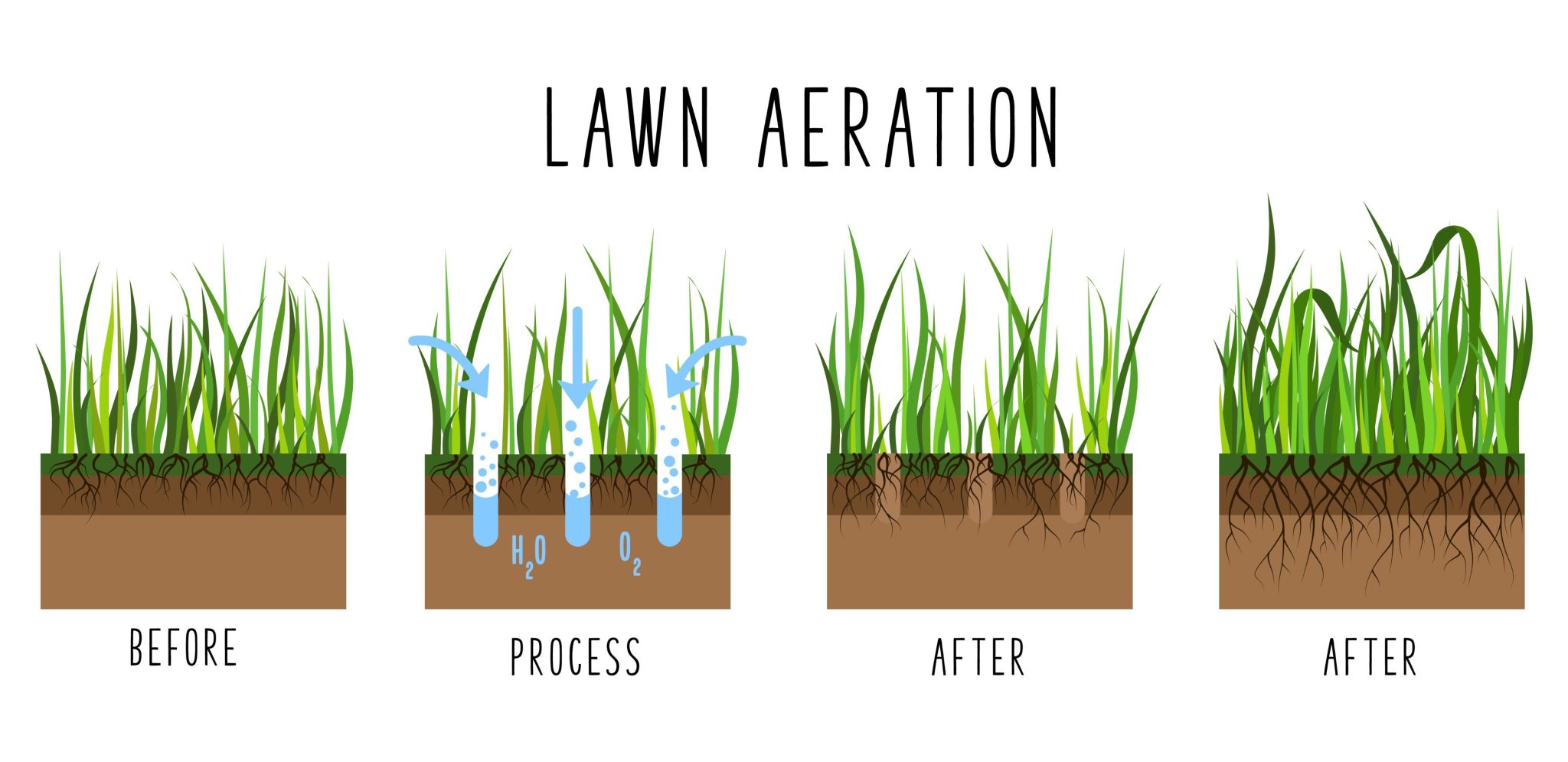
If you have a cool-season grass like Fescue, fall is your “spring.” After a brutal Georgia summer, your soil is likely compacted. Core aeration pulls small plugs of soil out to allow oxygen, water, and nutrients to reach the roots.
Pro Tip: If you have warm-season grasses (Bermuda, Zoysia, or Centipede), your heavy aeration happens in the late spring, but now is the time to clear away debris and prepare for dormancy.
2. Winterizing & Pre-Emergent Control
“Winterizing” isn’t just a buzzword; it’s about strengthening the root system for the cold months ahead.
- For Fescue: Use a high-nitrogen fertilizer to promote lush green growth.
- For Bermuda/Zoysia: Avoid high nitrogen now! Instead, look for a high-potassium (Potash) fertilizer to build winter hardiness and “cell wall” strength.
- Weed Prevention: Now is the window to apply pre-emergent herbicides to stop those pesky winter weeds like Henbit and Po-Annua before they ever sprout.
3. Your Local Partners in Green
You don’t have to guess which bag of fertilizer is right for your specific zip code. Our team lives and breathes Georgia soil.
- Expert Guidance: Bring us a photo of your lawn or a soil sample, and we’ll walk you through a custom game plan.
- The Right Tools: From heavy-duty aerator rentals to high-quality spreaders, we have the gear to make the job easy.
- Georgia-Specific Products: We stock the exact seed blends and pre-emergents formulated to thrive in our local climate, not some “one-size-fits-all” big-box brand.
Client Reviews
Don’t just trust our word when it comes to going with Southern Hardware for all your local lawn needs. Here are a couple of favorable reviews from real Southern customers!
- “This schedule was perfect for my Bermuda lawn in Georgia. It’s so helpful to have a seasonal guide!” – James B., Macon, GA customer.
- “I used to just stop mowing in October, but after following this advice, my lawn looked so much better in the spring. The tip about the last mow was a game-changer!” – Sarah K., Augusta, GA customer.
Get ready for fall! Stop by our store for the right equipment and advice to prepare your lawn for winter.
Closing notes: Fall is a critical season for lawn care in Georgia. By adjusting your mowing habits, you’re not just maintaining your lawn—you’re investing in its health for a vibrant comeback next spring.